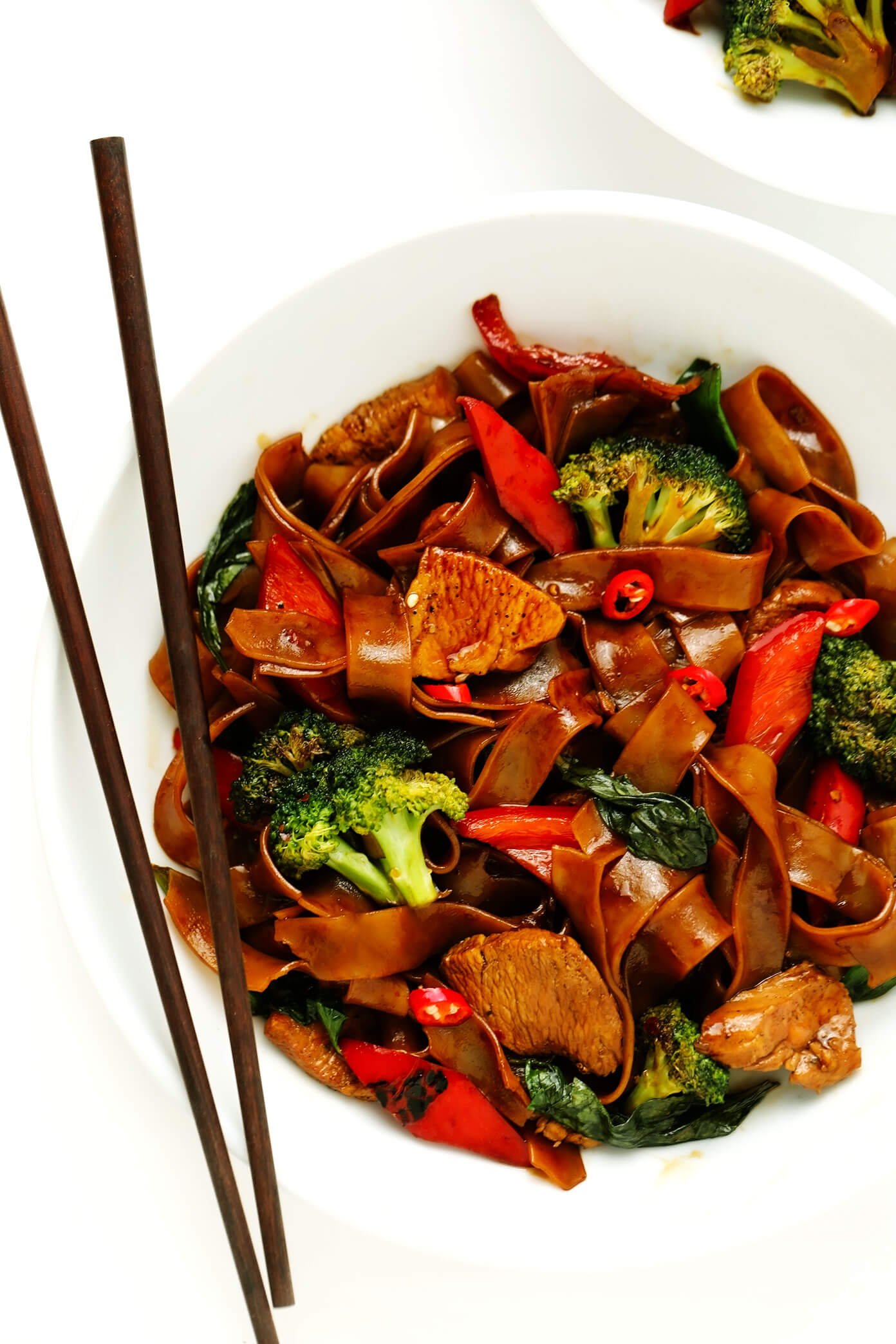
My favorite recipe for Thai drunken noodles (pad kee mao), made with your choice of protein and veggies and the most irresistible Thai basil sauce.
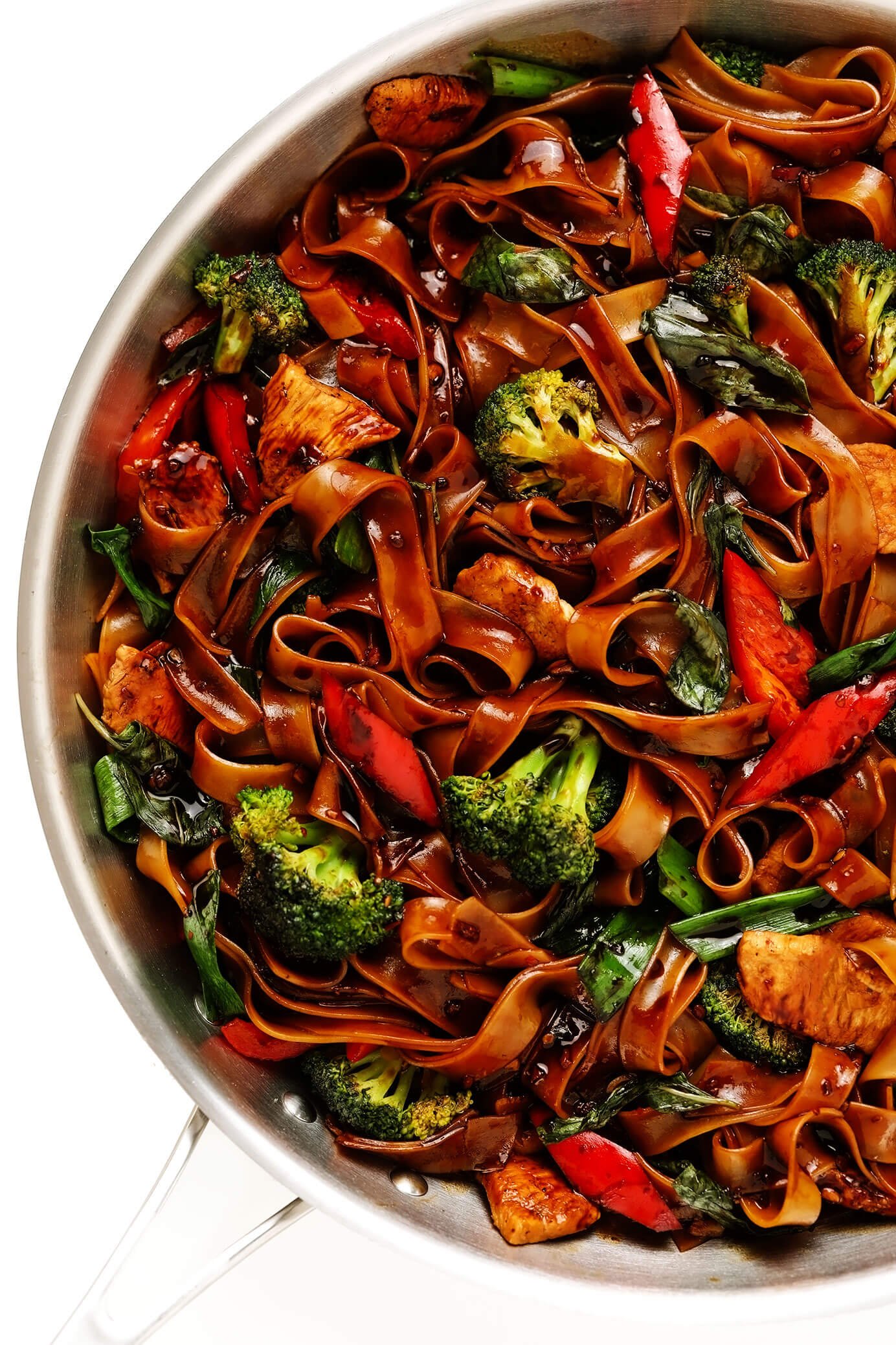
It’s no secret that I’m obsessed with pretty much all kinds of stir-fried noodles. But I have to say, I think that Thailand’s famous drunken noodles — pad kee mao (ผัดขี้เมา) — will forever be my favorites.
I absolutely adore these noodles. ♡
By contrast to what their name may imply, drunken noodles aren’t typically made with any alcohol at all. Rather, they are traditionally made with rice noodles, fresh veggies, and your choice of protein (I used chicken here). But the magic of this recipe lies fully in that “drunken” sauce. It’s made with a blend of savory, slightly-sweet, and however-spicy-you-prefer base sauce that’s already delicious on its own. But once it’s tossed with lots and lots of anise-flavored Thai holy basil, get ready, because this sauce transforms into something extra-special and tastes downright irresistible.
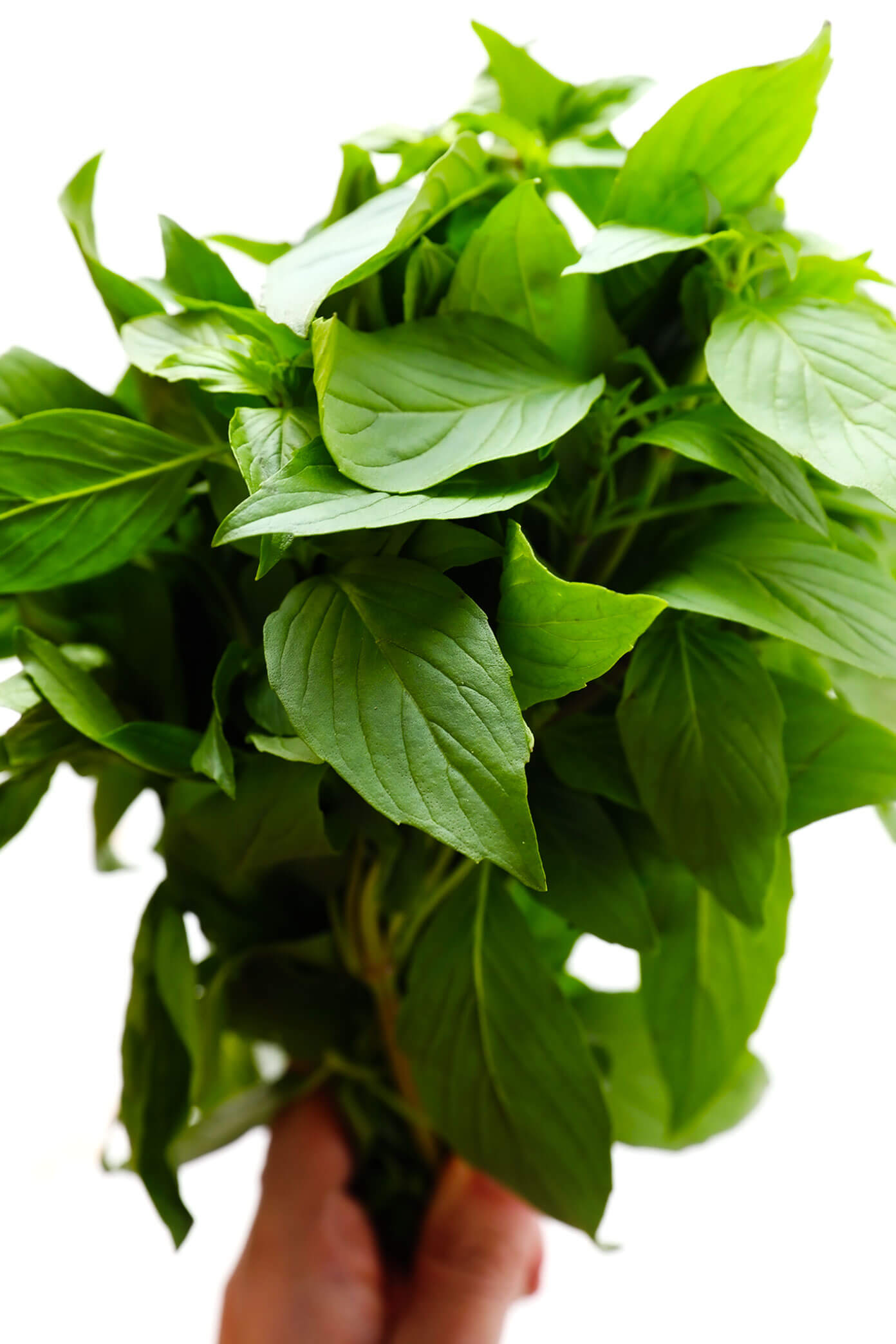
If you want to give this recipe a try, I’m really going to insist here that you make the trip to your local southeast Asian grocery to pick up some fresh Thai basil, which is slightly different than Italian basil and provides the je ne sais quoi flavor that I consider key to this dish. And while I can’t guarantee here that this recipe is 100% authentic, it is the closest I’ve come to recreating the Thai-American restaurant version that I fell in love with years ago and tastes ridiculously good.
The good news for all of us is that this dish is quite easy to make and also makes for fantastic leftovers too. So go round up some Thai basil and let’s make homemade pad kee mao together!
Pad Kee Mao Ingredients:
Here are a few notes on the ingredients that you will need to make this pad kee mao recipe (amounts included in the recipe below):
- Rice noodles: Whichever size of rice noodles you prefer for this recipe.
- Chicken: I added bite-sized thin slices of chicken to my stir-fry. But feel free to use beef, pork, shrimp, tofu or whatever protein you prefer here.
- Veggies: I used a mix of broccoli, red bell pepper, scallions and garlic. But again, feel free to use whatever stir-fry-friendly veggies you love best. (Chinese broccoli is often traditionally used in this recipe, which I love but couldn’t find here in Barcelona when I re-photographed this recipe. If you can track some down, I’ve included instructions for how to cook it in the recipe notes.)
- Thai basil: I absolutely adore the flavor of Thai basil (which has a more anise-like flavor than Italian basil and is typically available in southeast Asian grocery stores) in pad kee mao, and recommend adding a very generous amount to this stir-fry. That said, if you cannot find Thai basil, you could sub in Italian basil which which will lend a different but still delicious flavor.
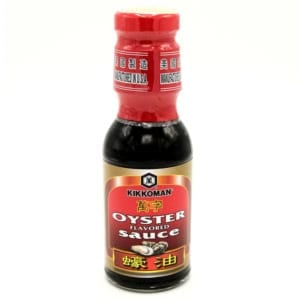
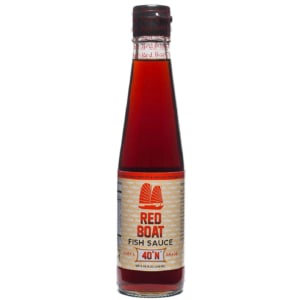
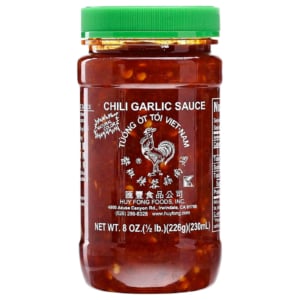
- Stir-fry sauce: Made from a delicious blend of low-sodium soy sauce, oyster sauce, fish sauce, sweet dark soy sauce and chili garlic sauce. (See variation notes below for some gluten-free alternatives with the sauce.)
- Toppings: I always serve drunken noodles with a few fresh lime wedges and sliced Thai bird chiles sprinkled on top, for those would like some extra heat. But chopped peanuts and/or fried garlic would also add some delicious crunch and flavor.
How To Make Drunken Noodles:
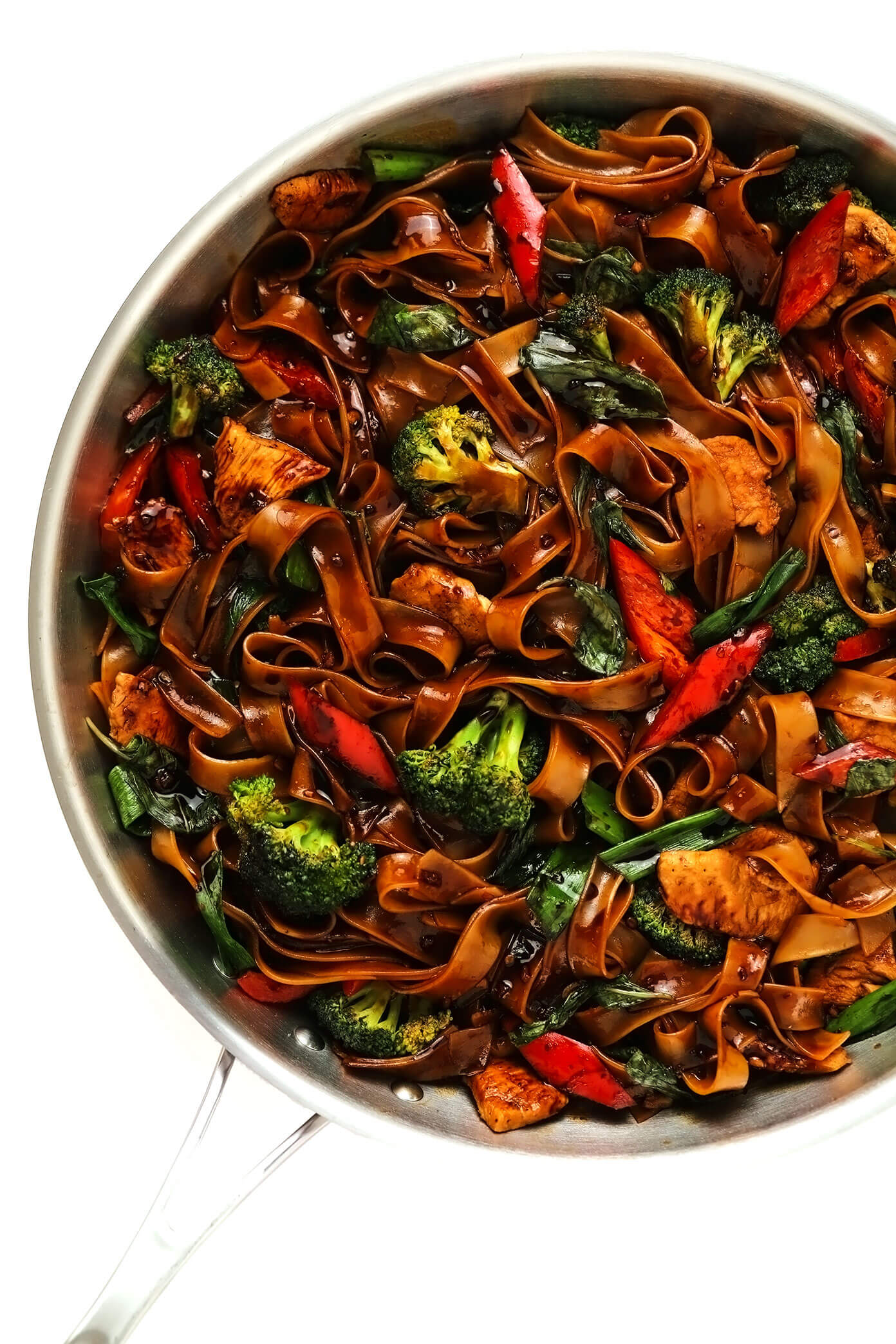
Here is a brief overview of the steps to make this Thai drunken noodles recipe (full instructions in the recipe below):
- Prep the sauce: First, whisk all of the sauce ingredients together in a small bowl until combined.
- Prep the noodles: Next, go ahead and cook the noodles al dente. Then rinse them briefly with water to cool (so they will stop cooking) and toss with a drizzle of oil so that they do not stick together.
- Sauté the chicken: Then once your veggies and chicken are all prepped and ready to go, it’s time to sauté. I recommend cooking your chicken (or whatever protein you choose) first, in a bit of oil.
- Cook the veggies. Next, sauté the veggies until they reach your desired level of doneness. (I like mine to be on the crisper side.)
- Combine everything. Then add the cooked noodles, sauce, chicken, Thai basil, and scallions to the pan and toss until thoroughly combined.
- Serve warm. And serve immediately, while the noodles are still nice and hot, topped with whatever garnishes you love best.
Possible Variations:
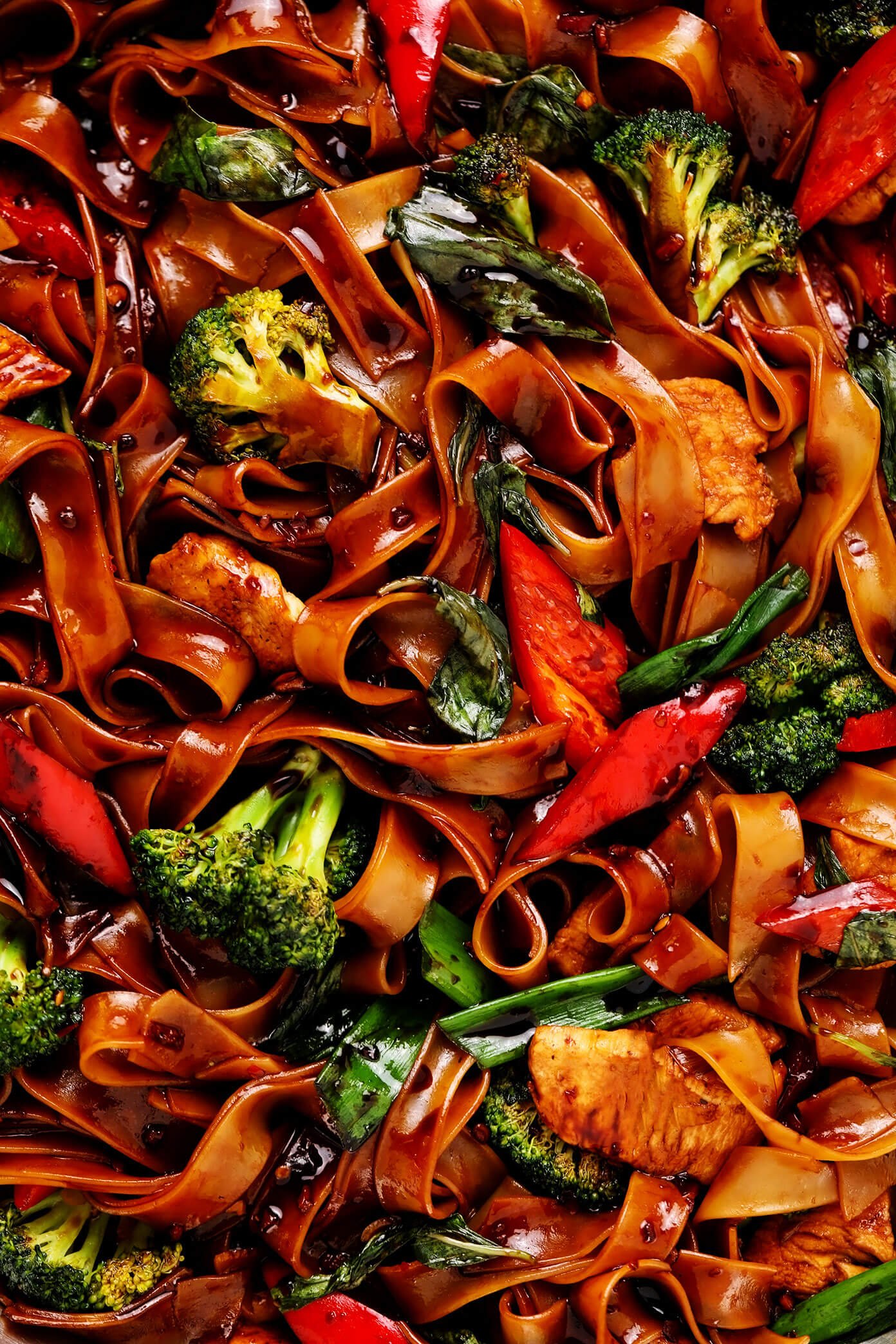
As with any stir-fry, this recipe is quite flexible when it comes to substitutions and variations, so please feel free to get creative with whatever ingredients you have on hand! For example, you could…
- Use a different protein: Beef, pork, shrimp or tofu would all be delicious substitutions for chicken in this stir-fry, if you would like!
- Use different veggies: Just about any stir-fry-friendly veggies would work here in place of (or combined with) the broccoli and red bell pepper.
- Make it spicier: Increase the amount of chili garlic sauce and/or add some sliced Thai bird chiles to the sauce (or sprinkle them on top).
- Make it gluten-free: Use gluten-free tamari (in place of the soy sauce), gluten-free oyster sauce (in place of traditional oyster sauce), and some extra tamari plus a drizzle of sweetener (molasses, maple syrup, brown sugar or honey, in place of the dark soy sauce).
More Favorite Noodle Recipes:
Looking for more delicious noodle recipes? Here are a few of my faves:
- Sesame Noodles
- Cold Sesame Peanut Noodles
- Japchae (Korean Noodle Stir-Fry)
- Five Spice Tofu with Sesame Noodles
- Vietnamese Chicken Noodle Bowls
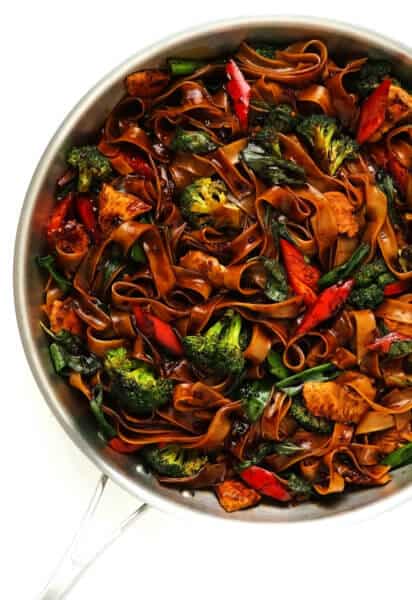
Thai Drunken Noodles (Pad Kee Mao)
- Prep Time: 30 minutes
- Cook Time: 15 minutes
- Total Time: 45 minutes
- Yield: 4 to 6 servings 1x
Description
My favorite recipe for Thai drunken noodles (pad kee mao), made with your choice of protein and veggies and the most irresistible Thai basil sauce.
Ingredients
Stir-Fry Ingredients:
- 8 ounces uncooked rice noodles
- 2 tablespoons oil, divided
- 1 pound boneless skinless chicken breasts*, cut into bite-sized pieces
- 3 scallions, chopped with white and dark green parts divided
- 2 cups broccoli florets (or other veggies*)
- 1 red bell pepper, cored and diced
- 4 cloves garlic, minced
- 1 1/2 cups tightly-packed fresh Thai basil leaves
- optional toppings: fresh lime wedges, sliced Thai bird chiles, chopped peanuts, and/or fried garlic
Stir-Fry Sauce:
- 3 tablespooons low-sodium soy sauce
- 2 tablespoons oyster sauce
- 2 tablespoons fish sauce
- 1 tablespoon sweet dark soy sauce*
- 1 tablespoon chili garlic sauce
Instructions
- Prep the sauce: Whisk the sauce ingredients together in a small bowl or measuring cup until combined.
- Prep the noodles: Cook the noodles according to package instructions until they are al dente. Drain and rinse with cool water until the noodles are no longer hot, and set aside until ready to use. (I would also recommend tossing the noodles with a drizzle of oil if it will be a few minutes until you add them to the stir-fry, to prevent them from sticking together.)
- Sauté the chicken: Heat 1 tablespoon oil in a large sauté pan or wok over medium-high heat. Season the chicken with a generous pinch of salt and pepper. Then add the chicken to the oil and sauté for 3-4 minutes, stirring only occasionally, until it is cooked through. Transfer the cooked chicken to a separate (clean) plate, and return the pan to the heat.
- Cook the veggies. Add the remaining 1 tablespoon oil to the pan. Add the white parts of the green onions and the bell pepper to the pan and sauté for 2 minutes, stirring occasionally. Add the broccoli and garlic and sauté for 2 more minutes, stirring occasionally, until the veggies reach your desired level of tenderness.
- Combine everything. Immediately add the cooked noodles, sauce, chicken, Thai basil, and the green parts of the scallions to the pan. Give everything a good toss for 1-2 minutes until all ingredients are evenly coated with the sauce.
- Serve warm. Remove pan from the heat and serve immediately, garnished with any of your desired toppings.
Notes
Protein alternatives: Feel free to substitute a pound of beef, pork, shrimp or tofu in place of the chicken if you would like, or you can just omit the added protein from this recipe entirely.
Veggie options: Feel free to substitute whatever stir-fry-friendly veggies you prefer in place of the broccoli and bell pepper, if you would like. Chinese broccoli is often traditionally used in this recipe, which should have its stems chopped and sautéed first and then the leafy green parts tossed in near the end.
Dark soy sauce alternative: If you can’t find dark soy sauce, you can sub in a teaspoon of soy sauce plus a teaspoon or two of sweetener (molasses is closest in flavor, but honey, maple syrup or sugar would work) in its place.

This is my favorite recipe! Thank you so much. My whole family loves this meal.
Soo delicious!! Love this recipe, thanks!! We agree this is one our family will want again and again!! Yum
Thanks, Kelly — we’re so glad you and your family enjoy this!
I have read this several times and do not see where the broccoli leaves are added. I assume when you add the shrimp and bas? The recipes says to separate the stems and leaves and step 3 says to add the stems, but I don’t see when to add the leaves. I’m probably missing it but would please let me know? Would love to make this soon. Thank you!
Eek, sorry somehow that was left out in the instructions! Just added it back in. My apologies about that! Hope you enjoy the recipe! :)
This was the most amazing recipe! We have tried so many Thai recipes at home that have just been a flop, but no this one. It was quick and delicious! Thank you. We will be making this over and over again.
Thank you so much for sharing, Kat! We’re happy to hear you’re a fan of this recipe! :)
OMG, you are so my hero! This is my absolute FAVORITE Thai dish and I have been dying to try and make it at home! I’ve had a couple OK attempts but I love the salty-sweetness of the sauce at my local place and haven’t quite gotten that down yet. Maybe mine is missing the sweet dark soy sauce–is there a certain brand you use?
Thank you Genie — we hope you enjoy this recipe! As for the soy sauce, Kikkoman is fine, but we also like picking some up at the Asian market!
This was SO good and easy! I used tofu instead of shrimp – baked for about 25 minutes at 400 degrees – and it was so delicious. I didn’t use the Chinese broccoli this time, but I will definitely try it next time if I can find it; if not, I may use snow peas. The only change I would make next time is to *triple* the sauce – I wound up making a second batch of it after I added the Thai basil and thought that it still could’ve used a bit more to flavor the noodles. But all in all, this was a WINNER!!
Thanks — we’re so happy you liked it! :)
I was so excited to see this recipe because I love drunken noodles and love making Asian food. This was amazing!! I bet the leftovers will be even better. I also got the opportunity to discover an awesome Thai Market in my neighborhood to pick up some of the ingredients. I think I’ll be making Thai food regularly now. Thanks! :)
Drunken Noodles are my absolute favorite and I cannot wait to try this recipe! I am also in KC…which Asian market did you to go? And also where did you find the organic slaw mix for your Moo Shu pork? Thanks!!
Hi Kelli, that’s awesome you’re from KC! Ali loves Chinatown in the River Market, and she thinks she found the slaw at Whole Foods. :)
I know spiciness is a key to drunken noodles. Is there a way to take this recipe and mod it into a similar Thai dish without spiciness, such as Pad See-Ew which has a sweet sauce? I’d love to make this for my family but my toddler starts screaming intensely when confronted with this much heat.
Hi Katie! You can just leave out the Thai garlic chili sauce (that’s the only ingredient packing any heat in this). We hope you and your little one enjoy! :)
This looks spectacular – thanks for sharing! I, too, love drunken noodles and can’t wait to recreate them at home.
Thanks Julie! We hope you enjoy them!